Selling a Historic Home in Bradford or Haverhill
April 16, 2026
April 16, 2026
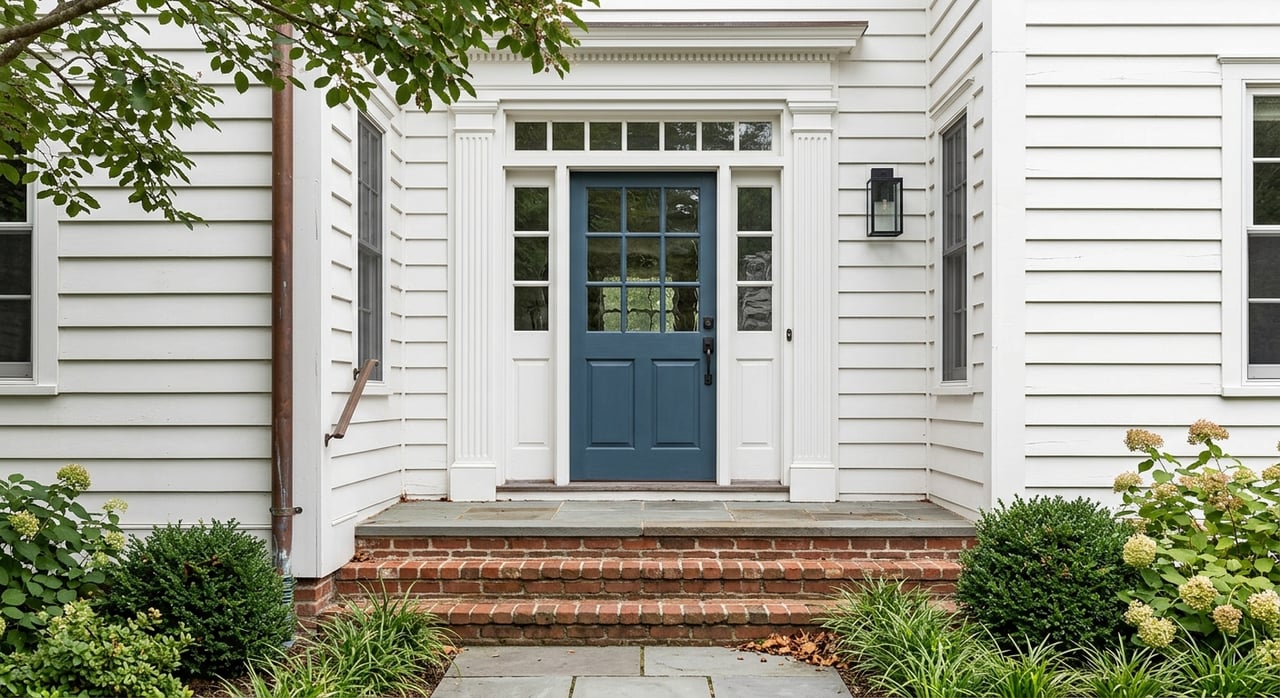
If you own a historic home in Bradford or Haverhill, you are not just selling square footage. You are selling character, craftsmanship, and a piece of local history. That can be a real advantage, but it also means buyers will ask sharper questions about condition, updates, permits, and documentation. With the right preparation, you can present your home in a way that feels both authentic and market-ready. Let’s dive in.
Haverhill is one of Massachusetts’ oldest communities, established in 1640, and the city’s housing stock includes a wide range of older homes and architectural styles. According to the City of Haverhill’s history and heritage resources, that range spans everything from Georgian homes to Dutch Colonial examples. In practical terms, that means there is no single formula for selling a “historic home” here.
That is especially true in Bradford. The city’s planning materials note that the Bradford Common Historic District, Rocks Village, and the Washington Street Shoe District each reflect different eras, building styles, and development patterns. A colonial-era property near Bradford Common may need a very different marketing approach than a Victorian home or an industrial-era residence with later updates.
For sellers, that distinction matters. Buyers respond best when the home’s story is clear, accurate, and specific to the property itself.
Before your home goes on the market, it helps to identify exactly what makes it stand out. Is it the age of the home, the architectural style, the setting, the district, or a combination of those factors? The strongest listings do not rely on vague phrases like “full of old-world charm.” Instead, they explain the home in plain language.
The City of Haverhill’s historic-house plaque program offers a useful model. For buildings 75 years or older, the city encourages owners to identify the year built, first occupants, occupation or architect, and neighborhood or district when that information can be documented. That same framework can help you build a more credible and appealing listing.
A few examples of helpful positioning include:
The key is to be accurate. If a detail cannot be verified, it is better to leave it out than overstate the property’s background.
Historic homes often generate more buyer questions than newer homes. The more answers you can provide up front, the smoother your sale can feel.
Haverhill points owners toward valuable local research sources through the Historic House Plaques page, including Haverhill Public Library Special Collections. The city notes that owners can research 1979 building survey photographs, 1970s Massachusetts Historical Commission house surveys, city directories, maps, Sanborn fire insurance maps, building permit card files, Salem Deeds, and MACRIS.
For most sellers, you do not need a museum-style archive. You need a clean, useful packet that helps buyers understand the home and trust its upkeep.
Consider assembling:
This kind of prep does two things. First, it strengthens your listing story. Second, it helps reduce uncertainty for buyers who may love older homes but want reassurance that the property has been cared for thoughtfully.
Condition always matters, but it matters even more with older homes. Buyers will notice signs of deferred maintenance, and they may also ask whether updates were completed properly.
The City of Haverhill building permits page makes clear that many common projects require permits, including drywall replacement, kitchen and bathroom remodels, and flooring over subfloors. The city also states that electrical, plumbing, and gas work must be completed by licensed trades with permits pulled before work begins.
That means one of the smartest steps before listing is to review your records and create a straightforward summary of work completed. If you remodeled a kitchen, updated a bath, replaced systems, or made visible repairs, be ready to explain:
You do not need to overwhelm buyers with paperwork. You do want to show that the home has been maintained with care and that recent work can be clearly documented.
Not every older home is in a local historic district, and not every historic-looking property is subject to the same rules. That is why it is important to confirm the property’s status early in the process.
Massachusetts guidance explains that local historic district commissions review certain exterior changes visible from a public way for landmarks and properties within local districts. Haverhill’s own Historic Commission states that its mission is to protect, preserve, and promote the city’s historic structures, neighborhoods, and landscapes.
If your property is in a local historic district, buyers may want to know whether past exterior work required review and whether future visible changes could as well. This is not something to hide or overcomplicate. It is simply part of presenting the home honestly.
A quick status check before listing can help you answer questions with confidence and avoid last-minute confusion.
Historic homes in Bradford and Haverhill often compete on character, not just on size or finishes. Buyers who are drawn to these homes usually respond to details that newer construction cannot easily replicate.
Depending on the property, that may include:
The goal is not to romanticize every old feature. It is to identify which elements still contribute to the home’s historic character and photograph them well. When listing remarks pair those features with a concise summary of updates, buyers can better see the balance between charm and livability.
When sellers prepare a historic home for market, it is easy to assume that newer always equals better. That is not always the case.
The National Park Service rehabilitation standards emphasize preserving historic materials and features when possible and repairing deteriorated features rather than replacing them when feasible. The same guidance notes that energy performance alone is not a reason to replace historic windows.
For sellers, the takeaway is simple. If you are making pre-listing improvements, focus on repairs that are documented, visually compatible, and easy to explain. Buyers often appreciate homes where original features have been maintained with care rather than stripped out in favor of generic replacements.
In many cases, the best pre-sale work includes:
A historic home in Haverhill can appeal to more than one buyer profile. The city’s planning materials note that Haverhill is about 33 miles from Boston and functions as part of a broader commuter-oriented region, which can widen the audience for distinctive homes with strong character and location appeal. You may attract buyers who value period details, buyers looking for a home with a clear sense of place, and buyers commuting into the larger metro area.
That is why marketing should go beyond “old house with charm.” The most effective positioning usually centers on four things:
When those elements are presented clearly, buyers can understand both the emotional appeal and the practical realities of the property. That combination often leads to stronger interest and better-fit offers.
Bradford should not be treated as a generic neighborhood label. The city’s open space and planning materials show that Bradford Common Historic District, Rocks Village, and other historic areas each have different context and housing character.
That matters when you sell. A home near Bradford Common may appeal to buyers looking for a traditional village setting, while a property connected to another historic area may stand out for different reasons. Your listing should reflect the home’s actual context rather than using broad language that could apply anywhere.
Specific, supported storytelling builds trust. It also helps your home stand apart in a market where buyers are comparing not just features, but identity.
Historic-home buyers tend to be engaged and detail-oriented. That is a good thing, but it also means they will often dig deeper before making an offer.
You can stay ahead of that by preparing clear answers to questions like:
When those answers are ready before you list, your home tends to show better, market more clearly, and inspire more confidence.
Selling a historic home is not about turning it into something it is not. It is about presenting it with accuracy, care, and strategy so buyers can appreciate both its story and its value today. If you are thinking about selling in Bradford or Haverhill, Key Team | Compass can help you build a smart plan, position your home thoughtfully, and bring it to market with the attention it deserves.
Stay up to date on the latest real estate trends.

Videos
Susan Monette | November 21, 2022
Key Team - Give where you live!

Videos
December 24, 2022
Key Team and friends met at Ellies Farmhouse in Methuen Massachusetts and surprised our waitress with a $1000 tip!

Videos
December 30, 2022
Thank you to everyone who attended our Holiday Event and donated a teen toy or pet toy to assist in the Windhams Helping Hands charity drive!

March 8, 2023

March 20, 2023
Are you preparing to sell your home in Northern Massachusetts or New Hampshire? If so, you'll want to make sure your home is staged and presented in the best possible … Read more
April 1, 2023
The hidden gem of New England! With its picturesque setting, easy access to major urban centers and transportation hubs, and unbeatable quality of living, Pelham offer… Read more
real estate
April 15, 2023
Over the last year, the housing market’s gone through significant change. While it’s still a sellers’ market, homes that are priced right are selling, and they get the… Read more

for sellers
April 29, 2023
The housing market’s been going through a lot of change lately, and there’s been uncertainty surrounding what will happen this spring. You may be wondering if more hom… Read more

Susan Monette | May 4, 2023
Join Us!
We build our business one relationship at a time and our philosophy is, IT’S ALL ABOUT YOU! This is your journey! We will work tirelessly on your behalf, our clients come first. Contact us today!
Key Team
Address
25 Indian Rock Road, Suite 4
Windham, NH 03087
14 Essex St, Andover 01810