Windham Has a Finished Plan for Route 111. What It Doesn't Have Yet Is Money.
October 15, 2026
October 15, 2026
On July 30, 2026, the advisory committee for the Route 111 corridor met on Microsoft Teams for the ninth and last time. The meeting was supposed to wrap up comments on a final draft report. Most of it went to one stretch of road: the area around the Dunkin and B&H Oil, where members were split over whether a center median should block left turns into the businesses.
The committee left the median out but flagged the area in writing. That compromise sums up the whole study. Windham now has a detailed picture of where Route 111 fails through the center of town. No construction cost has been published, and the state's funding pipeline isn't accepting new projects for its next planning cycle. If you're looking at a home with a driveway on this road, or anywhere you'd reach by turning off it, the plan tells you a lot about the friction points and very little about timing.
NHDOT project 40663 covers about 1.6 miles of NH Route 111. It runs from the junction with London Bridge Road and Ledge Road east to Wall Street and Enterprise Drive, and the state's project page still lists its status as "Planning."
The numbers behind it come from the June 24, 2025 public information meeting. In 2023, traffic counts were 22,907 vehicles a day east of Wall Street and 15,122 west of London Bridge Road, with trucks making up 5 percent. Speeds were highest west of London Bridge Road, where they topped 50 mph. Rear-end crashes were the most common type, especially outside commute hours. The study's stated purpose lists peak-hour queues, speeds above the posted limit, hard access from driveways and side streets, and missing bike and pedestrian facilities. NHDOT's purpose and need statement also calls for balancing those fixes with protecting the corridor's rural character.
The major junctions in the study are London Bridge/Ledge, Lowell/Hardwood, North Lowell/Fellows, Church Road, Post Office/Village Green, and Wall Street/Enterprise Drive. Comments at the public meeting filled in the street-level details. People described heavy use of Church Road, risky turns between the Dunkin and Church Road, drivers using the shoulder near the Commons shops to get onto Church Road, and backups at the North Lowell signal.
The study team narrowed its options to five. The table below follows the descriptions in the April 23, 2026 committee notes.
| Alternative | What it does |
|---|---|
| 1. No-Build | Keeps the road as it is today |
| 2. Transportation System Management | Keeps the roadway largely the same and adds a sidewalk, a shared-use path and intersection improvements; eases congestion slightly but doesn't handle projected growth |
| 3. Five Lanes | Widens to five lanes and keeps the traffic signals, with a shared-use path on the south side and a sidewalk on parts of the north side |
| 4. Median and Roundabouts | Two lanes each way with a median, a shared-use path, a sidewalk and roundabouts at every intersection |
| 5. Hybrid (recommended) | A partial median and roundabouts at every intersection except Village Green, which gets a signal; shared-use path on the south side and sidewalk on the north side; the median breaks at Church Street |
The break at Church Street followed meetings with business owners who were worried about access. The notes say Alternative 5 became the recommendation because of how it scored on the study's measures and because the business community supported it. Each choice involves trade-offs. Committee discussion in May 2025 noted that a roundabout at Lowell Road would need more property and a longer rebuilt culvert over the brook than a signal would.
The study also dropped the bypass around Wall Street that appeared in Windham's 2011 corridor study. According to NHDOT's FAQ, the current study doesn't look at a bypass and treats Wall Street/Enterprise Drive as the eastern end of the study area.
The Dunkin/B&H Oil stretch is where safety and access collide most directly. At the June 2025 public meeting, the B&H Oil owner said he appreciated keeping left-turn access, and the Dunkin owner asked to keep full left turns into his business. A resident wanted the signals kept because they create a "pause in traffic," and opposed a median that would limit turns. Another resident described high-speed passing and trouble getting in and out of a driveway. These quotes come from summary notes, not a verbatim transcript.
By July 2026, the debate hadn't moved much. The PAC #9 notes record the project manager's position this way:
"removing the median in this section was a compromise, balancing safety concerns with strong business opposition."
Some members said safety called for a median, pointing to sightlines, grade changes and rising speeds near the post office. One member said he had changed his mind and now supported the median after spending time at a business in that plaza. Others said a median would be wrong without a workable access road for the businesses. An access road from Fellows Road ran into physical limits: little room behind the gas station, a pond, and Golden Brook. One interim idea had eastbound drivers turn right into the businesses, exit with another right turn, and use the post office signal to make a westbound U-turn.
The final agreement kept the report graphic without a median at that location. It adds strong language calling the area a major unresolved concern and recommends making a median and access road a primary focus in the next phase of the project. The Village Green signal also isn't settled. Members picked it over a roundabout partly because a roundabout could block access to a commercial property at number 38, and some noted that preliminary design could revisit the choice.
For a buyer, this means the most contested spot on the corridor is exactly where the published drawing is least likely to match what eventually gets built.
A New Hampshire corridor study doesn't fund anything. At the April 2026 meeting, a Southern New Hampshire Planning Commission representative laid out the usual path:
He then said "this next cycle is not going to be" a normal one. The commission cited stagnant revenue, rising construction costs and loan payments on the I-93 widening, and said regional commissions would not ask towns for new projects for the 2029–2038 update. If new money appears, the first priority is restoring projects cut from the 2027–2036 plan. A second tier would follow. SNHPC's executive director noted that the region has historically received around $8.5 million, spread across many projects and never spent on just one.
The study itself cost about $552,000 in federal funds, and at the June 2025 meeting the team said it had not yet estimated a construction cost. In July 2026 the project manager said phased construction was "highly likely due to funding constraints," and that the design would change through later design work and public outreach. The 2023 FAQ estimated that construction wouldn't start for at least 10 years after the study was finished. That was an early estimate, not a commitment.
The study did clear one set of hurdles. The April notes say the environmental review found no fatal flaw. Historic resources, including the old Windham Town Hall and the Armstrong building, need further study but don't prevent the project from moving forward. The obstacle is money, not feasibility.
With the state work on hold, the changes most likely to affect corridor properties in the near term belong to the town. The final report recommends access management, meaning refinements to individual driveways and connections between neighboring parcels. The notes say those are actions the Town of Windham would take, not part of an NHDOT project. If state construction does happen, the project would pay for sidewalks, paths and reasonable landscaping. The town would maintain the sidewalks and path, and it would take over the landscaping once a one-year warranty on plantings ends. Decorative lighting would be at town expense.
A separate state project is further along. The NH 28/Roulston Road improvement, listed in the state's 2027–2036 Ten Year Plan as project 40665, appears in Windham's November 2025 Select Board minutes as a high-crash-location fix with a listed construction cost of $1.8 million and work anticipated in 2028. The Windham Greenway trail, about 2.5 miles from Meetinghouse/Old Mill Road to North Lowell Road with estimates of $2.4 million to $2.6 million in today's dollars, is in SNHPC's second tier, waiting for new funding.
The next step is the town's decision. A committee member told the July meeting that state officials will be watching what the Windham Select Board says, and another said the project needs a town champion. NHDOT presented the final report to the Select Board on Monday, September 28, 2026, at Town Hall, 3 North Lowell Road, according to the town's press release. As of October 8, no minutes from that meeting have been posted to the town's Agenda Center. WCTV lists a 3 hour, 36 minute recording of the meeting, and it's the best record available until minutes are posted.
If you're comparing homes in Windham, the corridor study works best as a guide to friction you can check today. The places named in the record are the North Lowell backups, the turns around Church Road, the high speeds west of London Bridge Road, and driveway access near Red Fox Road. You can see each of them at rush hour before you make an offer. The Alternative 5 drawing shows where engineers and the committee think turning movements could eventually change, especially the median question at the Dunkin/B&H Oil stretch. The record treats that drawing as a starting point for future design, not as a construction plan.
Is Route 111 in Windham being widened? The recommended concept is four lanes with roundabouts and a partial median. The project is still listed as "Planning," the posted materials don't include a construction cost estimate, and the study's project manager said phased construction was highly likely because of funding constraints.
Is the Wall Street bypass still under consideration? Not in this study. NHDOT's FAQ says the current study doesn't look at the bypass from the 2011 study.
Where can I follow what happens next? The NHDOT project page posts meeting materials, and the town's Agenda Center will post Select Board minutes once they're approved.
If you're weighing a home along Route 111 or anywhere off Windham Center, Key Team can help you check the specific turns, driveways and timing questions this study raises at that address. We'll also keep watching for the Select Board's next move on the corridor. Get Your Free Home Valuation, or reach out and we'll walk the corridor with you.
Stay up to date on the latest real estate trends.
Videos
Susan Monette | November 21, 2022
Key Team - Give where you live!
Videos
December 24, 2022
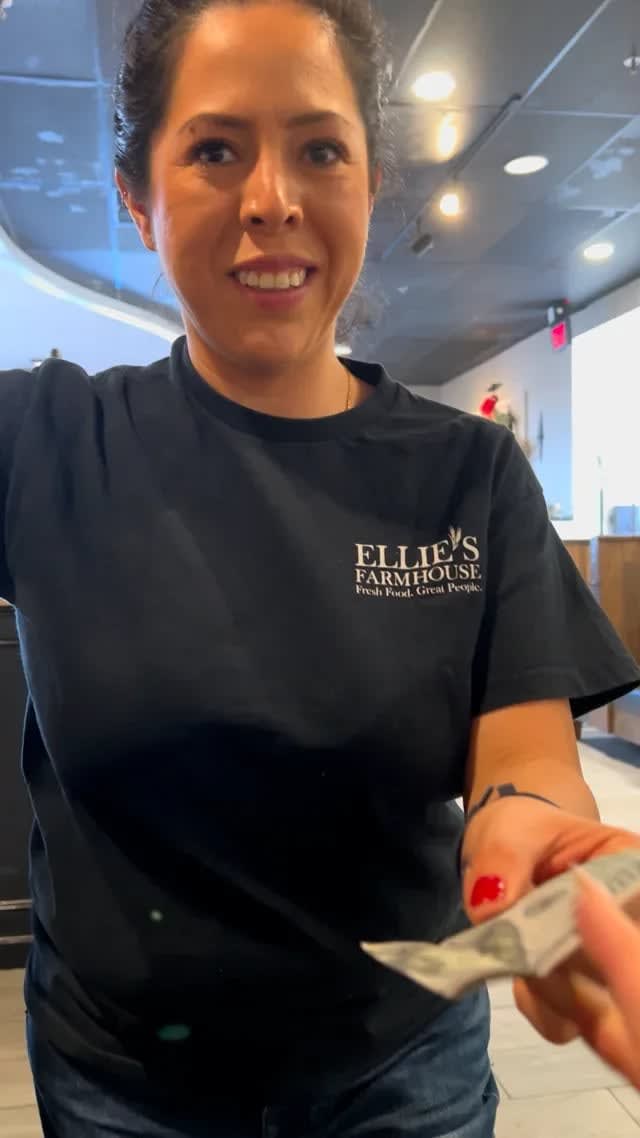
Key Team and friends met at Ellies Farmhouse in Methuen Massachusetts and surprised our waitress with a $1000 tip!
Videos
December 30, 2022
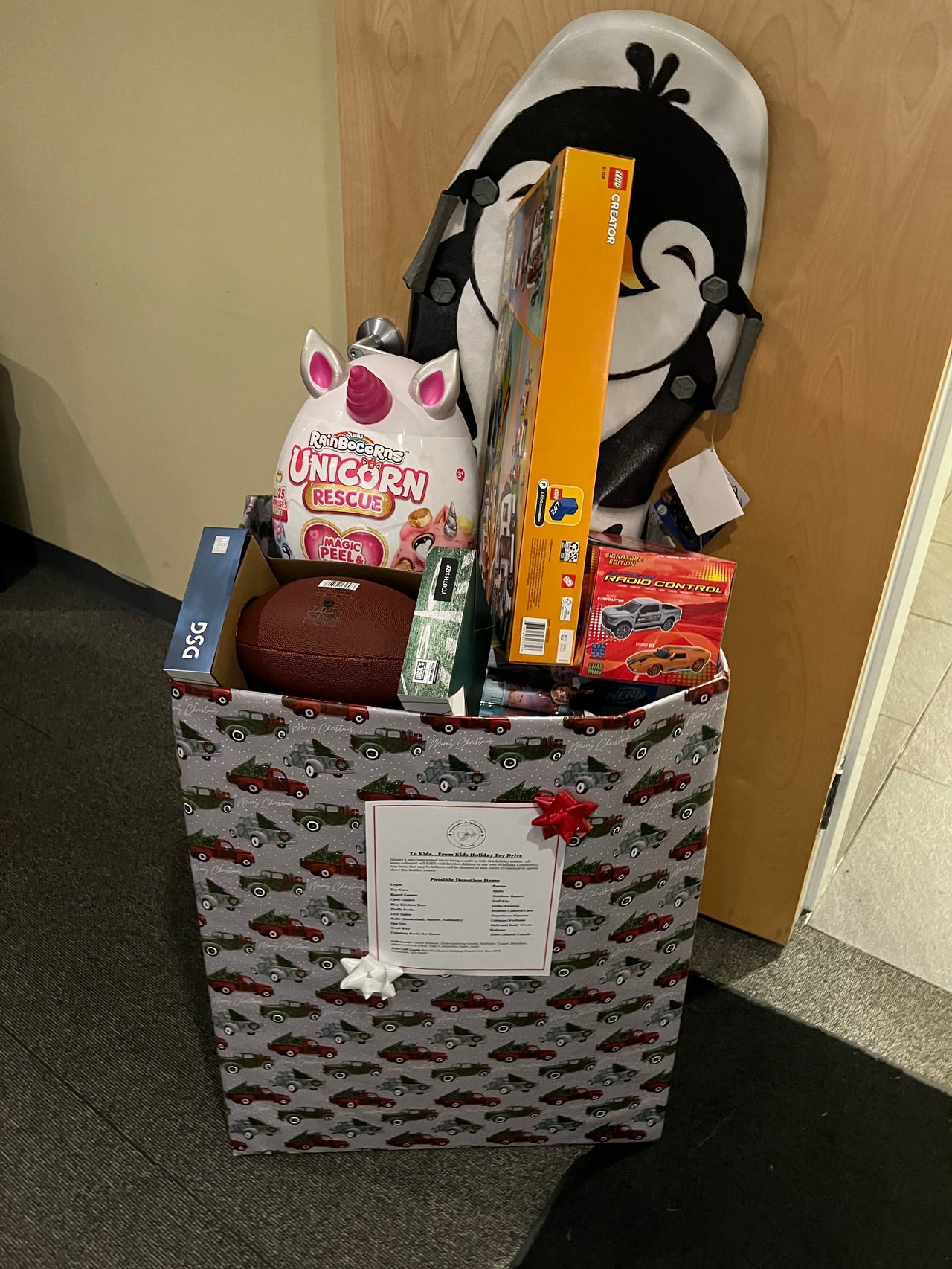
Thank you to everyone who attended our Holiday Event and donated a teen toy or pet toy to assist in the Windhams Helping Hands charity drive!

March 8, 2023
March 20, 2023
Are you preparing to sell your home in Northern Massachusetts or New Hampshire? If so, you'll want to make sure your home is staged and presented in the best possible … Read more
April 1, 2023
The hidden gem of New England! With its picturesque setting, easy access to major urban centers and transportation hubs, and unbeatable quality of living, Pelham offer… Read more
real estate
April 15, 2023
Over the last year, the housing market’s gone through significant change. While it’s still a sellers’ market, homes that are priced right are selling, and they get the… Read more
for sellers
April 29, 2023
The housing market’s been going through a lot of change lately, and there’s been uncertainty surrounding what will happen this spring. You may be wondering if more hom… Read more

Susan Monette | May 4, 2023
Join Us!
We build our business one relationship at a time and our philosophy is, IT’S ALL ABOUT YOU! This is your journey! We will work tirelessly on your behalf, our clients come first. Contact us today!
Key Team
Address
2 Beaver Brook Way
Pelham, NH 03076
14 Essex St, Andover 01810